

LUX Soccer Academy
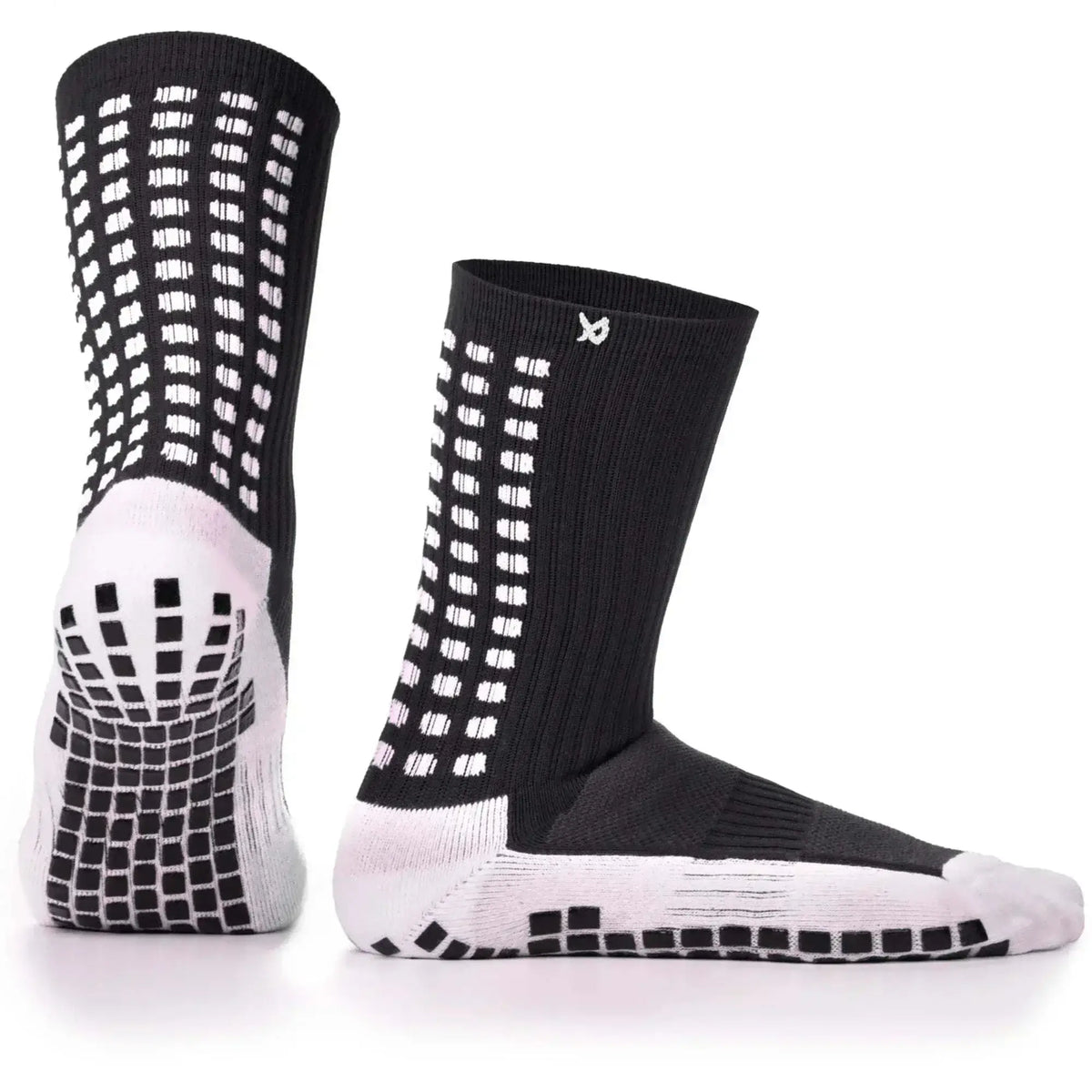
Why Do Footballers Wear Grip Socks?
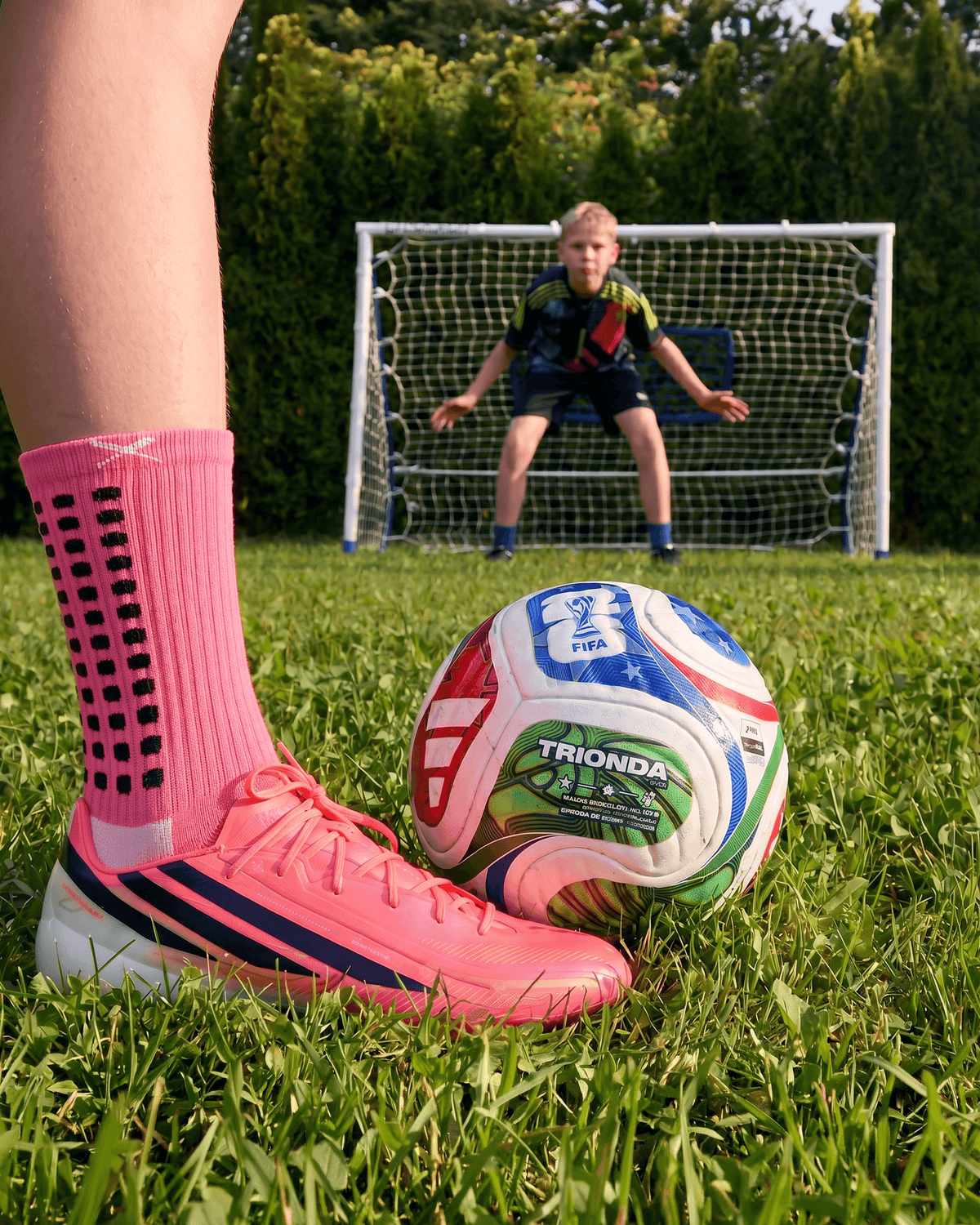
Pink Boots Are Everywhere at the 2026 World Cup — Here's What the Pros Wear With Them
Pink football boots have taken over the 2026 World Cup. Here's why — and the grip socks that give players control and stability inside them.
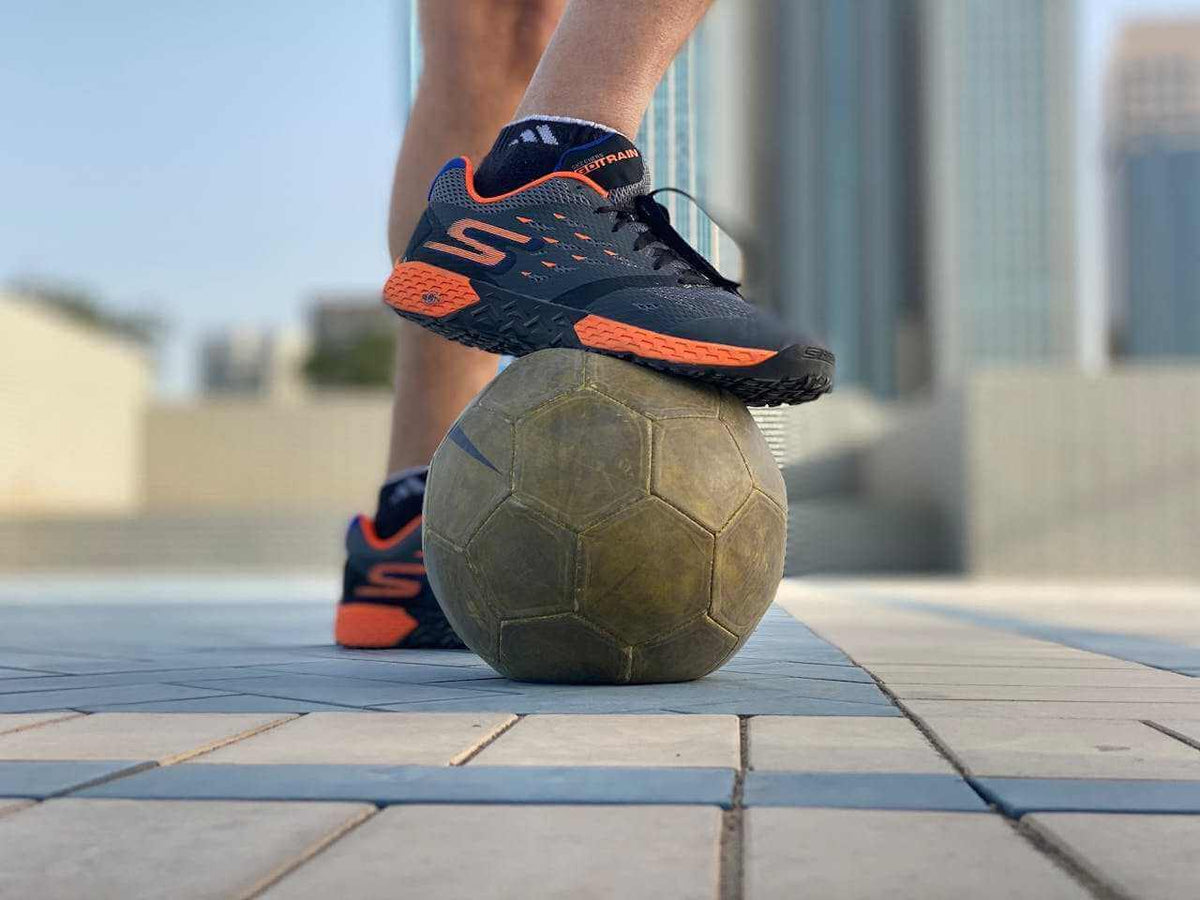
How to Do the 'Around the World' Trick: Learn in 5 Simple Step
In the realm of football, certain tricks not only showcase a player's skill but also improve their control and fluency with the ball. Among these, the 'Around the World' (ATW) stands out as a mesmerizing feat that combines skill, precision, and control. This trick, where the player loops their foot around the ball in mid-air before it touches the ground, has captivated both players and spectators alike. Whether you're a budding football enthusiast or an aspiring professional, mastering the ATW can significantly enhance your ball control skills. Here's how you can do it.
Understanding 'Around the World'
The ATW trick involves making a 360-degree rotation around the ball with your foot while it is in the air. It requires precise timing, balance, and control. The trick has several variations, including the Complete and Reverse ATW, which involve circling the ball in different directions or using different parts of the foot.
The Importance of Mastering 'Around the World'
Learning the ATW is not just about adding flair to your game; it's about refining your touch and gaining superior control over the ball. This trick forces you to develop a delicate balance and fine-tune your footwork, aspects that are critical in high-level football play. Moreover, the confidence gained from mastering such a trick translates into better performance on the field.
Equipment and Setup
To begin practicing the ATW, all you need is a football ball and a bit of open space. Soft ground or grass is ideal as it reduces the ball's bounce, making it easier to control. Last but not least, wear good anti-slip football socks to keep your grip tight.
Step-by-Step Guide to Performing 'Around the World'
Step 1: Ball Control Basics
First, ensure you're comfortable with basic ball juggling. The trick starts with the ball in the air, so being able to juggle a few times will set a solid foundation.
Step 2: The Initial Lift
Use the top of your foot (laces area) to lightly tap the ball upwards. The goal is to lift it just enough to allow your foot to circle around it.
Step 3: The Motion
As the ball begins to rise, initiate the circular motion with your foot. If you're doing the standard ATW, you'll move your foot around the ball from the outside to the inside. For the Reverse ATW, it's the opposite.
Step 4: Completing the Trick
After circling the ball with your foot, aim to catch it with the same foot or continue juggling. The smoothness of this motion is key to the trick's success.
Step 5: Practice Makes Perfect
Like any skill, consistency is key. Start slowly, focusing on the motion rather than speed. As you get more comfortable, you can increase your pace.
Common Mistakes and How to Avoid Them
Many beginners lift the ball too high or lose balance during the motion. Focus on keeping the ball at a manageable height, and use your arms to help maintain balance. Watching slow-motion videos of the trick can also provide valuable insights into the correct technique.
Training Drills and Tips for Improvement
Practice the motion of circling your foot around the ball without the ball. This helps build muscle memory. Also, try practising the ATW with a slightly deflated ball to make it easier to control.
Conclusion
Mastering the 'Around the World' trick is a journey of patience, practice, and persistence. While it may be challenging at first, the improvements in ball control, confidence, and overall skill you'll gain are well worth the effort. Remember, every football great started somewhere, and with dedication you too can elevate your game to new heights.
Embark on this exciting journey to master the ATW, and let the ball be an extension of your creativity on the football field.
FAQs
How long does it take to master the 'Around the World' trick?
The time it takes varies depending on your starting skill level, practice frequency, and natural aptitude. Some may learn it in a few days, while others might take weeks. Consistent practice is key.
Can I perform the 'Around the World' with both feet?
Yes, it's possible and recommended to learn the trick with both feet. This not only improves your overall skill but also makes you a more versatile player.
Is it easier to perform the ATW with a specific type of football ball?
Not necessarily. However, beginners might find it slightly easier to practice with a standard size 5 ball that's not overly inflated, as it offers better control.
Are there any exercises to improve balance for this trick?
Yes, practicing yoga or simple balance exercises can enhance your stability, making it easier to perform tricks like the ATW.
What's the next trick I should learn after mastering the ATW?
Once you're comfortable with the ATW, you might try advancing to the 'Hop the World' or combining the ATW into your juggling routine for a greater challenge.
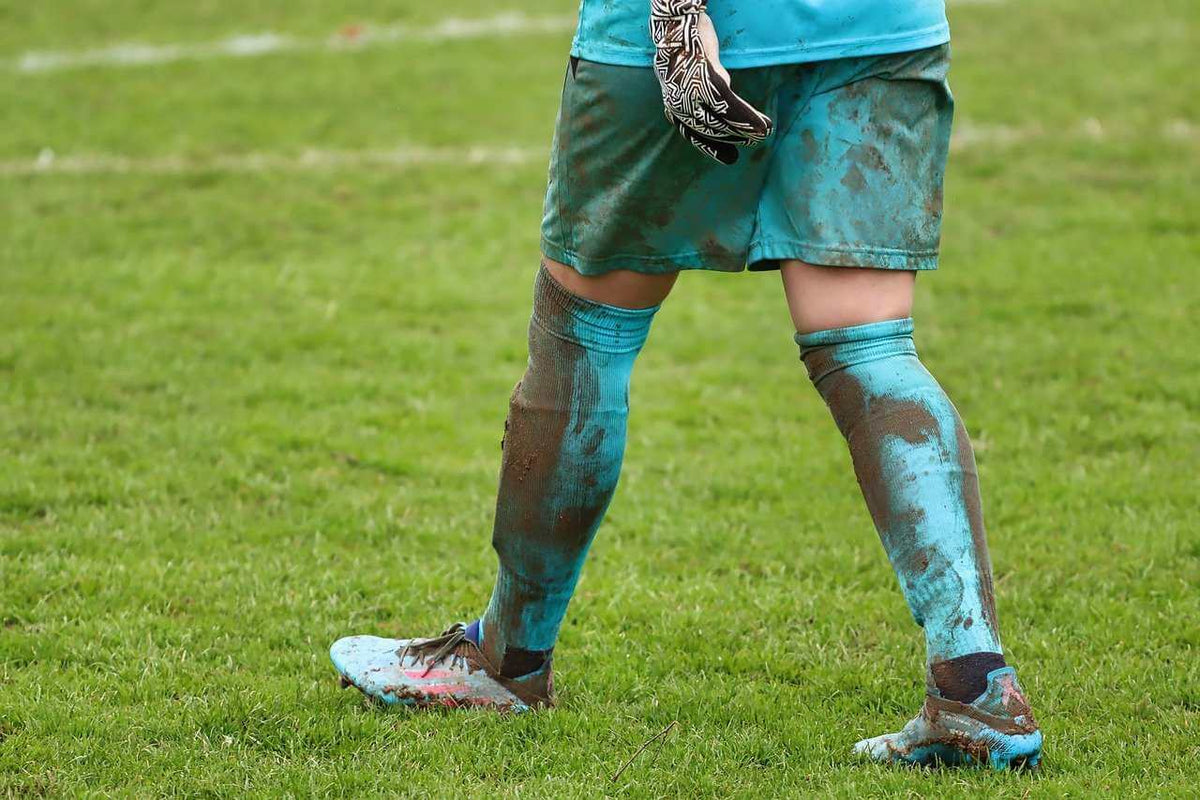
The Crucial Role of Football Socks in Foot Health: Beyond Just Comfort
When we think about football gear, our minds often drift towards the flashiest boots, the most comfortable jerseys, and perhaps the most technologically advanced shin guards. Rarely do we give the humble football sock its due credit. It's time to shed light on an overlooked hero: the football sock. This essential piece of gear does far more than complete your kit—it plays a pivotal role in maintaining your foot health, preventing common foot-related skin issues, and even enhancing your performance on the field.
The Often Overlooked Benefits of Football Socks
At first glance, football socks might seem like nothing more than a requirement for uniformity or a layer beneath your shin guards. However, they are meticulously designed with features that go beyond mere aesthetics. These socks are engineered to provide targeted cushioning, support airflow, and manage moisture—key factors in keeping your feet healthy and comfortable throughout the grueling ninety minutes on the pitch and beyond. More recently some socks have added grips to the sole of the sock to prevent feet from moving inside the boots thus giving in better control of foot movement and ball control.
Common Foot-Related Skin Issues in Football
Blisters
The bane of any athlete's existence, blisters, are especially common in football, where constant running, sudden stops, and directional changes are part of the game. Without the right socks, the friction between your feet and boots increases, turning every step into a potential blister-brewing ground. Proper anti-blender football socks act as a protective layer, reducing friction and the risk of blisters.
Athlete's Foot (Tinea Pedis)
This fungal infection thrives in warm, moist environments—exactly like the inside of your football boots after a match. Football socks with moisture-wicking properties keep your feet dry, significantly lowering the risk of developing this itchy, uncomfortable condition.
Calluses and Corns
Repeated pressure and friction can lead to the formation of calluses and corns. Football socks with adequate cushioning distribute pressure more evenly, safeguarding your feet from these painful skin issues.
Chafing and Skin Irritation
Direct contact with the rough interiors of football boots can lead to chafing and irritation. Football socks serve as a soft barrier, preventing unnecessary friction and the resultant discomfort.
Increased Risk of Foot Injuries
Every tackle and every accidental step can lead to bruises or cuts. Football socks add an extra layer of protection, cushioning your feet against impacts.
Worsened Foot Odor
Let's face it: nobody likes stinky feet. The antibacterial and moisture-managing features of quality football socks work together to combat foot odor, keeping your feet fresh.
The Science Behind Football Socks Design
The innovation behind football socks is nothing short of impressive. From the integration of moisture-wicking fabrics that keep your feet dry to the incorporation of cushioned areas that absorb impact, these socks are designed with your foot health in mind. Advanced models even feature antibacterial treatments to combat odor and infection, along with compression zones that can improve blood flow and reduce muscle fatigue.
Choosing the Right Football Socks
Selecting the right pair of football socks is as crucial as picking out the right boots. Look for socks that offer a snug fit without being too tight, made from breathable, moisture-wicking materials. Consider features like cushioning in high-impact areas and elastic bands that prevent the socks from sliding down during play.
Care Tips for Football Socks
To ensure your football socks continue to offer the best protection, proper care is essential. Wash them after each use. Regularly inspect your socks for signs of wear and tear, and replace them as needed to ensure they continue to offer optimal protection.
Conclusion
The role of football socks in maintaining foot health cannot be overstated. They do much more than keep your shin guards in place or complete your team's look. They are a critical piece of gear designed to protect, support, and enhance your performance. So next time you gear up for a game, remember to give your football socks the appreciation they deserve. After all, healthy feet are crucial for keeping you performing at your best on the football field.
FAQs
Why are football socks important?
Football socks are crucial for maintaining foot health by providing cushioning, reducing friction, preventing blisters, athlete's foot, and other skin irritations, and offering added protection against injuries.
How do football socks prevent blisters?
They reduce friction by providing a smooth barrier between the foot and the shoe, and some are designed with extra padding in key areas to minimize rubbing.
Can football socks help prevent athlete's foot?
Yes, by wicking away moisture and keeping the feet dry, football socks create a less favorable environment for fungal infections like athlete's foot.
How often should I replace my football socks?
It depends on usage and care, but generally, when you notice they're starting to lose elasticity, cushioning, or their moisture-wicking abilities, it's time for a new pair.
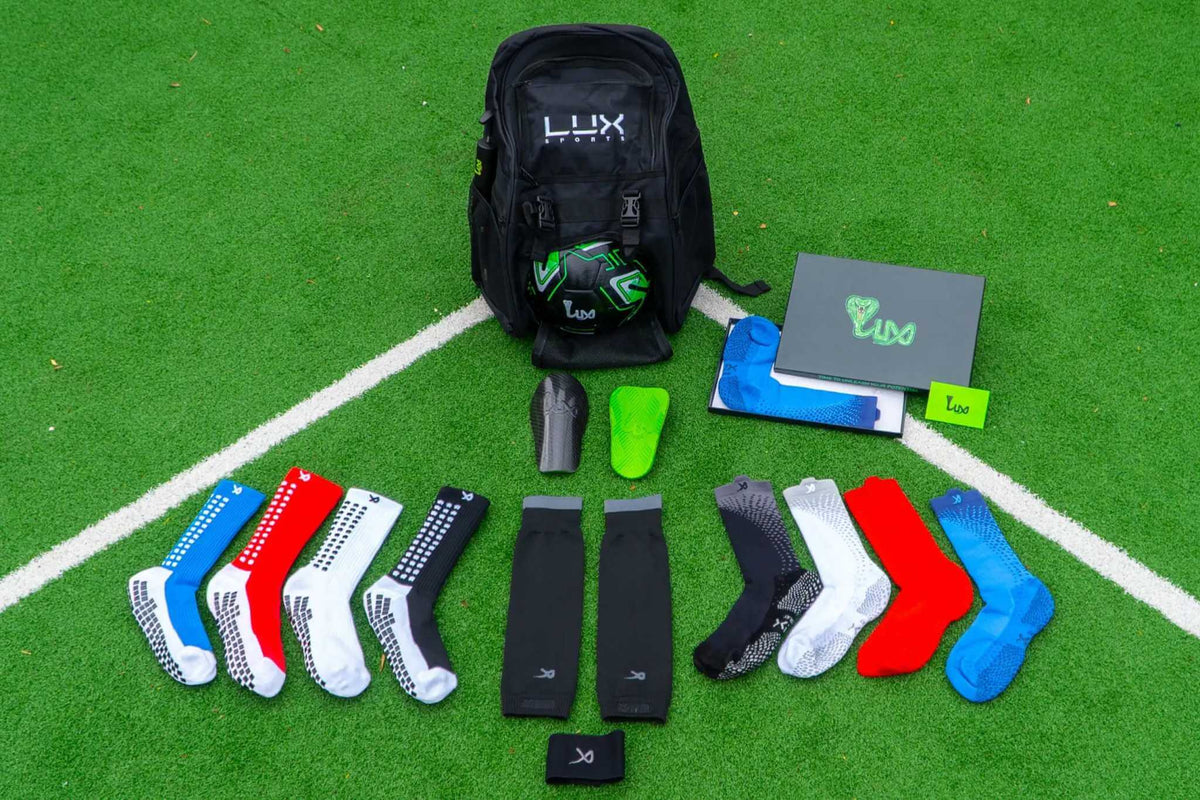
A Guide to Football Grip Socks: Enhancing Performance and Comfort
In the fast-paced world of football, every advantage counts. From precision passes to lightning-quick footwork, players are constantly seeking ways to enhance their performance on the field. One often overlooked yet crucial aspect of a player's kit is their choice of socks. Enter grip socks – the unsung heroes of football attire.
The Evolution of Football Socks
Football socks have come a long way from basic cotton designs. Traditionally serving as a barrier between the foot and the boot, socks were primarily aimed at providing minimal comfort and protection. However, as the demands of the game increased, so did the need for innovation. Enter grip socks – a revolution in football attire designed to maximize both performance and comfort by keeping your feet from moving inside the boots, thus reducing blisters and making it easier to control movements.
The Importance of Grip in Performance
Grip plays a vital role in a footballer's performance. Whether dribbling past opponents or striking the perfect shot, maintaining optimal grip between the foot and the boot is essential. Grip socks offer a strategic advantage by enhancing traction, stability, and control, thereby allowing players to unleash their full potential on the pitch.
The Science Behind Grip Socks
Ever wondered about the technology powering those game-changing grip socks? Prepare to delve deep into the mechanics that give these socks their edge on the football field. From innovative materials to strategic engineering, we'll unravel the secrets behind their traction and stability, helping you understand how they elevate your performance step by step.
Material and Design
Grip socks are crafted from advanced materials engineered to provide superior grip and comfort. Typically made from a blend of synthetic fibers such as nylon, elastane, and rubber, these socks offer a snug yet flexible fit. The design features specialized zones with enhanced grip patterns strategically placed to optimize traction and support during dynamic movements.
Grip Technology Explained
Central to the effectiveness of grip socks is their innovative technology. Silicone or rubberized grips integrated into the fabric create friction between the foot and the boot, preventing slippage and improving stability. This technology allows players to execute precise movements with confidence, even in challenging conditions.
Professional Use of Grip Socks
Do you know why professional footballers wear grip socks? Keep reading to gain valuable insights into how grip socks become a crucial part of a player's kit, providing unmatched support, traction, and injury prevention, and learn how their choices impact their performance at the highest levels of the game.
Insights from the Field
Professional footballers swear by the performance-enhancing benefits of grip socks. From amateurs to elite athletes, players at all levels rely on these innovative garments to gain a competitive edge.
How Pros Choose Their Socks
The choice of grip socks is a highly personal decision for professional footballers. Factors such as fit, grip strength, and durability are carefully considered to ensure optimal performance. Many players work closely with equipment managers and sports scientists to customize their sock preferences according to their playing style and specific needs.
The Advantages of Grip Socks
Ready to take your game to the next level? From superior grip and stability to enhanced comfort and injury prevention, these socks offer a winning combination for players of all levels. Get ready to experience peak performance like never before.
Enhanced Performance
Grip socks offer a myriad of advantages that directly contribute to improved performance on the field. By maximizing traction and stability, these socks enable players to execute precise movements with greater control and confidence. Whether making quick turns or accelerating past opponents, grip socks provide the grip needed to elevate your game to the next level.
Are Grip Socks Thicker?
Let's settle the debate once and for all – are grip socks really thicker?
Comparing Thickness and Comfort
Contrary to popular belief, grip socks are not necessarily thicker than traditional football socks. While they may feature additional padding in certain areas for added comfort and support, the overall thickness can vary depending on the brand and design. Many players find grip socks to be just as comfortable, if not more so, than traditional socks due to their ergonomic construction and advanced materials.
Player Preferences
Ultimately, the choice between grip socks and traditional socks comes down to personal preference. Some players prefer the added grip and support provided by grip socks, while others may opt for the simplicity and affordability of traditional socks. Experimenting with different styles and brands can help you find the perfect balance of grip, comfort, and performance for your individual needs.
Choosing the Perfect Grip Sock
Finding the right grip socks can make all the difference in your performance on the football field. But with so many options available, where do you start? Join us as we navigate the essential factors to consider when selecting your perfect pair.
Factors to Consider
When selecting grip socks, several factors should be taken into account to ensure the perfect fit and performance:
- Material: Look for socks made from high-quality, moisture-wicking materials that offer breathability and durability
- Grip Pattern: Consider the design and placement of grip patterns to ensure maximum traction and stability during gameplay
- Durability: Opt for socks that are built to withstand the rigors of regular use, with reinforced seams and durable materials that can withstand frequent washing and wear
Brands and Price Ranges
With a wide range of brands and price points available, it's essential to do your research and choose the best grip socks for football from a reputable manufacturer known for quality and performance just like LUX Sports. While premium brands may come with a higher price tag, they often offer superior grip technology and durability, making them a worthwhile investment for serious players.
Maintaining Your Grip Socks
Keep your grip socks performing at their best with our expert maintenance tips. Learn how to extend the lifespan of your socks while ensuring they deliver peak performance throughout the football season and beyond.
Washing and Care Tips
To prolong the life of your grip socks, follow these simple washing and care tips:
- Turn the socks inside out
- Machine wash in cold water with like colours
- Avoid using bleach or fabric softeners, as they can degrade the grip technology
- Air dry or tumble dry on low heat to prevent shrinkage and preserve elasticity
- Avoid exposing grip socks to excessive heat or direct sunlight, as this can weaken the grip material over time
- Longevity Practices
To ensure long-lasting performance, rotate between multiple pairs of grip socks to minimize wear and tear. Store them in a cool, dry place away from direct sunlight when not in use, and inspect them regularly for signs of damage or deterioration. By taking proper care of your grip socks, you can maximize their lifespan and continue to enjoy their performance benefits on the field.
FAQs
What size grip socks should I choose?
It's essential to choose grip socks that fit snugly without being too tight. Refer to the sizing chart and consider your shoe size for guidance. You can choose socks that go for multiple sizes.
How do grip socks improve performance?
Grip socks enhance performance by providing superior traction and stability during dynamic movements. The specialized grip technology embedded in the socks creates friction between the foot and the boot, reducing slippage and allowing players to maintain control during dribbles, turns, and accelerations.
Can grip socks prevent blisters?
Yes, grip socks can help prevent blisters by minimizing friction and stabilizing the foot within the boot.
Are grip socks suitable for all types of football boots?
While grip socks are compatible with most football boots, it's essential to ensure a proper fit and compatibility with your specific boot style. Some players may prefer thinner grip socks for a more minimalist feel, while others may opt for thicker socks for added cushioning and support. Experiment with different sock and boot combinations to find the perfect match for your playing style and preferences. Check available options here.
How often should I replace my grip socks?
The lifespan of grip socks depends on factors such as frequency of use, intensity of gameplay, and care practices. As a general guideline, it's recommended to replace grip socks every six months or when signs of wear and tear become apparent. Inspect your socks regularly for any damage or deterioration, and replace them as needed to ensure optimal performance and comfort on the field.

Nutmeg Soccer: Tips, Tricks, and Techniques
In the world of soccer, few moves capture the imagination and excitement of fans like the nutmeg. This elusive dribbling technique, also known as "megging" or "popping the ball through the legs," is a powerful tool in a player's arsenal. In this guide, we will explore the art of the nutmeg and how it can elevate your game, whether you're a beginner or an experienced player.
What is a Nutmeg Soccer?
Before we delve into the finer points, let's establish what exactly a nutmeg is in the context of soccer. A nutmeg occurs when a player passes the ball through an opponent's legs and regains possession on the other side. This move can be a game-changer, leaving defenders bewildered and spectators in awe.
The Origins of Nutmeg
The term "nutmeg" is believed to have originated in England during the 19th century. It was derived from "nutmegged," a slang term used to describe someone whose legs were split open, much like what happens in a successful nutmeg.
Benefits of Incorporating Nutmegs in Your Game
You might wonder why mastering the nutmeg is worth your time. Well, the advantages are plentiful. By incorporating nutmegs into your repertoire, you gain a tactical edge on the field. These dribbling techniques offer improved ball control and can bypass defenders with ease, creating scoring opportunities and adding flair to your playstyle.
Nutmeg Techniques for Beginners
For those new to the world of nutmegs, fear not – there are entry-level nutmegging moves that can be your stepping stone to mastering this skill. As a beginner, it's essential to start with the basics. Here are some nutmeg techniques to get you started:
- The Classic Nutmeg: This is the fundamental move where you pass the ball through your opponent's legs while maintaining control. Practice this move until it becomes second nature
- The Side Tap Nutmeg: In this technique, you use the inside of your foot to gently tap the ball through your opponent's legs. It's a subtle but effective way to execute a nutmeg
- The Fake Nutmeg: Sometimes, a little deception goes a long way. Pretend to make a pass but pull the ball back before your opponent can react, then swiftly nutmeg them
Remember, mastering these beginner techniques takes practice. Start slow, work on your ball control, and gradually build your confidence.
Advanced Nutmeg Strategies
If you've already nailed the basics, it's time to take your nutmeg game to the next level. Advanced players can use creative nutmegging tactics to outwit even the most seasoned defenders. Here are some advanced nutmeg strategies to consider:
- The Reverse Nutmeg: Instead of passing the ball forward, send it backward through your opponent's legs. This unexpected move can catch defenders off guard.
- The Quick Flick Nutmeg: Develop lightning-fast footwork to flick the ball through your opponent's legs in the blink of an eye. Precision and speed are key here
- The Nutmeg Feint: Pretend you're about to execute a nutmeg but quickly change direction, leaving your defender flat-footed
Advanced nutmeg strategies require practice and confidence. Incorporate them into your training regimen to keep defenders guessing.
Perfecting Your Nutmeg: Practice Drills
As the saying goes, practice makes perfect. To become a nutmeg maestro, you need to put in the hours. Here are some practical drills and exercises to help you perfect your nutmeg skills:
- Stationary Nutmeg Drill: Place two cones a few feet apart and practice nutmegging the ball between them repeatedly. Focus on precision.
- One-on-One Nutmeg Challenge: Partner up with a friend or teammate and take turns being the attacker and defender. Try to nutmeg your opponent while maintaining possession.
- Reaction Time Drill: Have a teammate pass the ball to you randomly, and practice nutmegging it when least expected. This hones your quick thinking and footwork.
Regularly incorporating these drills into your training routine will significantly enhance your nutmeg proficiency.
Common Mistakes to Avoid
While nutmegs can be dazzling when executed flawlessly, they also come with potential pitfalls. Let's take a look at some common mistakes to avoid when attempting nutmegs:
- Overconfidence: Trying to nutmeg opponents too frequently can lead to turnovers. Use nutmegs strategically rather than as a default move
- Lack of Awareness: Failing to read your opponent's movements can result in unsuccessful nutmeg attempts. Pay attention to your defender's positioning
- Poor Timing: Nutmegs require precise timing. If you attempt it too early or too late, your opponent can easily intercept the ball
- Inadequate Ball Control: Your nutmeg attempts are likely to fail without good ball control. Work on your dribbling skills to ensure you can maneuver the ball effectively
By understanding these common pitfalls and practicing to avoid them, you can increase your success rate with nutmegs.
Nutmeg in Professional Soccer
Nutmegs aren't just flashy moves; they have a significant impact on professional soccer matches. Let's explore some iconic nutmeg moments from the world of soccer:
- Ronaldinho vs. Chelsea: In a UEFA Champions League match, Ronaldinho's effortless nutmeg against Chelsea's Claude Makélélé left fans and defenders alike in awe
- Neymar's Showmanship: Brazilian star Neymar is known for his flair on the pitch. His nutmegs are a testament to his creativity and skill
- Lionel Messi's Mastery: Messi has nutmegged countless opponents throughout his illustrious career. His ability to execute nutmegs in tight spaces is legendary. Learn more about dribbling and how to dribble like Messi
These moments not only entertain but also demonstrate the effectiveness of nutmegs at the highest level of the game.
Nutmeg vs. Other Dribbling Techniques
While nutmegs are impressive, they're not the only dribbling techniques available. Let's compare nutmegs with other popular moves like step-overs and feints:
- Nutmeg vs. Step-Over: Step-overs involve rapid footwork to deceive defenders. Nutmegs, on the other hand, require passing the ball through the defender's legs. Use step-overs for quick changes in direction and nutmegs for getting past opponents
- Nutmeg vs. Feint: Feints involve deceptive body movements to trick defenders. Nutmegs are more about ball control and timing. Choose feints for close-quarters play and nutmegs for open spaces
Understanding when to use each technique can elevate your dribbling game and make you a more versatile player.
Soccer Nutmeg: Leave Your Mark on the Pitch
In the ever-evolving world of soccer, mastering the nutmeg is more than just a flashy trick—it's a game-changer. Whether you're a novice looking to add a new dimension to your game or an experienced player seeking to outwit defenders, the nutmeg is a skill worth honing.
In this guide, we've explored the fundamentals of soccer nutmeg, from its definition to the benefits it brings to your game. We've delved into techniques suitable for beginners and advanced players, providing valuable insights and practice drills to help you improve. We've also highlighted common mistakes to avoid and showcased iconic nutmeg moments in professional soccer.
Remember, practice is the key to perfection. Incorporate these techniques into your training regimen, learn to read your opponents, and master the art of the nutmeg. Whether you're playing on the streets or under the stadium lights, the nutmeg will always be a showstopper.
So, step onto the pitch with confidence, and don't be afraid to add a little nutmegging magic to your game. Who knows, your next nutmeg could be the highlight of the match.
Share Your Nutmeg Stories
Have you experienced the thrill of a successful nutmeg in a match? Or perhaps you've been on the receiving end of one? We'd love to hear your nutmeg stories and experiences. Share them with us and let's celebrate the art of nutmeg soccer together.
Thank you for reading our comprehensive guide on nutmeg soccer. We hope this article not only enriched your understanding of this dazzling move but also inspired you to embrace it on the pitch. Your journey to mastering the nutmeg begins now, and we wish you the best of luck in your soccer adventures.
FAQs
Can anyone learn to nutmeg effectively?
Absolutely! With dedication and practice, anyone can improve their nutmeg skills.
Are nutmegs risky to attempt in professional matches?
Like any skill, there's a risk involved. Players must assess the situation and decide when it's appropriate to attempt a nutmeg.
Who are some famous nutmeg specialists in soccer?
Players like Lionel Messi and Neymar are known for their exceptional nutmegging abilities.
How can I practice nutmegs on my own?
You can practice nutmegs by setting up cones or using a wall as a defender. Focus on your ball control and timing.
What is the psychological impact of getting nutmegged?
It can be demoralizing for a player, but it's also part of the game. Learning to bounce back from such moments is crucial for mental resilience.
Unlocking Precision: How to Kick a Soccer Ball with Power
Unlock the secrets to powerful soccer kicks: Technique, strength, precision, and mental readiness. Elevate your game with our expert guide.
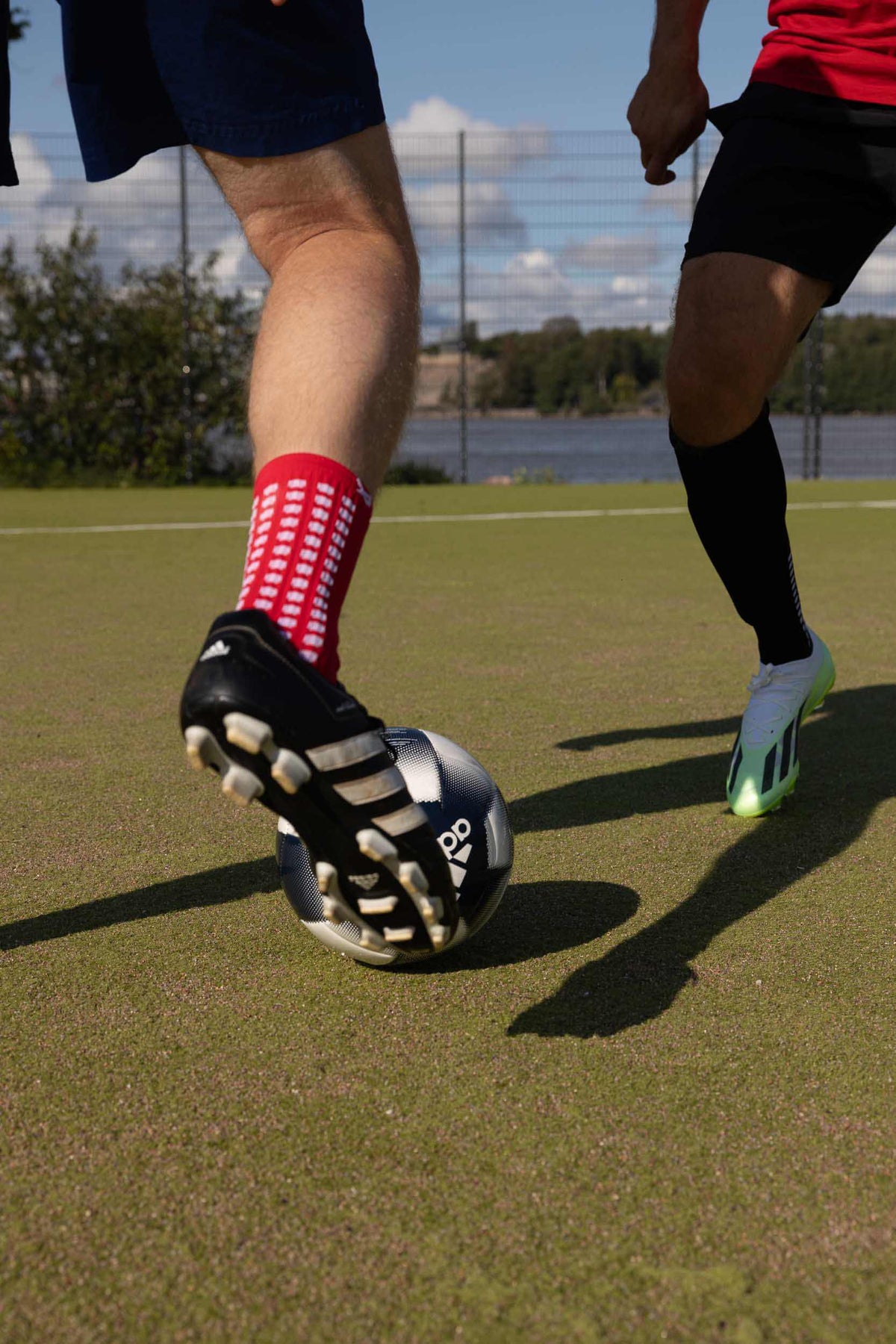
The Mindset of a Champion - How to Improve Mental Toughness in Soccer
I. Introduction
Welcome to the world of mental toughness, soccer players! If you want to become a champion on the field, you've got to have the right mindset. But what exactly is mental toughness in soccer? Simply put, it's the ability to push through challenges, stay focused, and maintain a positive attitude no matter what's happening on the field. It's what separates the good players from the great ones.
Now, we know what you're thinking - easier said than done. But trust us, mental toughness is something that can be developed and strengthened with practice. And believe us, it's worth the effort. Mental toughness can make all the difference in close games, and it's a crucial component of achieving success on the field.
So, let's take a look at some examples of mental toughness in action on the soccer field. These are the kinds of players that never give up, even when the going gets tough. They're the ones who always have a plan, and they never let setbacks or mistakes get them down. They're the true champions, and they've got the mental toughness to prove it.
II. Developing a winning mindset
If you want to be a champion on the soccer field, you need to have a winning mindset. But how do you develop this coveted mindset? It starts with setting goals and visualizing success. Think about what you want to accomplish on the field and visualize yourself achieving it. See it, believe it, and you can achieve it (at least that's what they tell us).
But it's not just about visualizing your goals, it's also about focusing on the present moment and staying in the zone. When you're on the field, all that matters is what's happening in that moment. Don't let distractions or past mistakes weigh you down - stay focused on the present and you'll be one step closer to victory.
Of course, setbacks and failures are inevitable in soccer (and in life). But it's how you handle these setbacks that sets champions apart from the rest. It's important to maintain a positive attitude and confidence in yourself, even when things don't go as planned. Remember, champions aren't born, they're made through hard work, determination, and a winning mindset. So keep your head up, bounce back from those setbacks, and show everyone what a champion looks like.
III. Overcoming challenges
It's no secret that soccer can be a tough sport, both physically and mentally. So how do you become a mental powerhouse on the field? One key is learning how to deal with pressure and high stakes situations. Whether it's a crucial game-winning penalty kick or a must-win matchup, it's important to stay calm and composed. Take deep breaths, focus on the present moment, and remember all of the hard work and training you've put in to get to this point.
Another important aspect of mental toughness is handling distractions. Whether it's rowdy fans, trash talk from opponents, or just the general chaos of a soccer game, it's easy to get distracted. But champions know how to stay focused and block out the noise. Find a mantra or visualization technique that helps you stay focused, and remind yourself that you're in control of your own game.
Of course, all of this requires being able to manage your emotions. It's natural to get pumped up or feel frustrated during a soccer game, but champions know how to channel those emotions in a productive way. Don't let your emotions control you - instead, learn how to harness them and use them to your advantage.
Finally, mental toughness is all about building resilience and bounce-back ability. No matter how well you play, you're going to face setbacks and challenges on the field. But champions don't let those setbacks define them. They use them as opportunities to learn and grow, and they bounce back stronger than ever. So the next time you face a challenge on the field, remember that it's just a temporary setback. Keep your head up, stay focused, and keep pushing forward.
IV. The role of the coach and team in promoting mental toughness
As a coach or team member, you play a crucial role in promoting mental toughness among your players. First and foremost, it's important to create a positive team culture that fosters mental toughness. This means creating an environment of support and encouragement, where players feel comfortable discussing their mental challenges and seeking guidance.
One way to do this is by providing support and encouragement for players to develop their mental skills. This can include things like mental training drills, goal setting, and visualization techniques. By providing resources and support for players to work on their mental skills, you can help them to become more mentally tough and better equipped to handle the challenges of soccer.
In addition to providing support and encouragement, it's also important to implement strategies for improving mental toughness in practice and games. This can include things like setting realistic goals, using positive self-talk, and developing mental strategies for dealing with setbacks or adversity. By teaching players how to develop their mental toughness, you can help them to become more resilient and better equipped to handle the challenges of soccer.
Remember, mental toughness is not just about being able to handle tough situations - it's also about being able to bounce back and keep going even when things don't go as planned. So as a coach or team member, it's up to you to create an environment that fosters mental toughness and helps your players to develop the mental skills they need to succeed on and off the soccer field.
V. Conclusion
In conclusion, mental toughness is a crucial aspect of success on the soccer field. It's about being able to stay focused, handle pressure, and persevere even when things aren't going your way. Without mental toughness, it's easy to get discouraged and let setbacks get in the way of your goals.
But here's the good news: mental toughness is something that can be developed. Just like training your muscles in the gym, you can train your mind to be tougher and more resilient. By working on your mental toughness, you can become a true champion on the soccer field - the kind of player that others look up to and admire.
So if you want to be a champion, it's time to start working on your mental toughness. This might mean practicing visualization techniques, setting challenging goals for yourself, or even seeking out a sports psychologist to help you develop your mental game. Whatever it takes, don't be afraid to put in the work to become the best soccer player you can be. Because when it comes to mental toughness, champions are made, not born. And who knows, with a little bit of mental toughness, you might just score the winning goal in the World Cup (or at least in your local league).
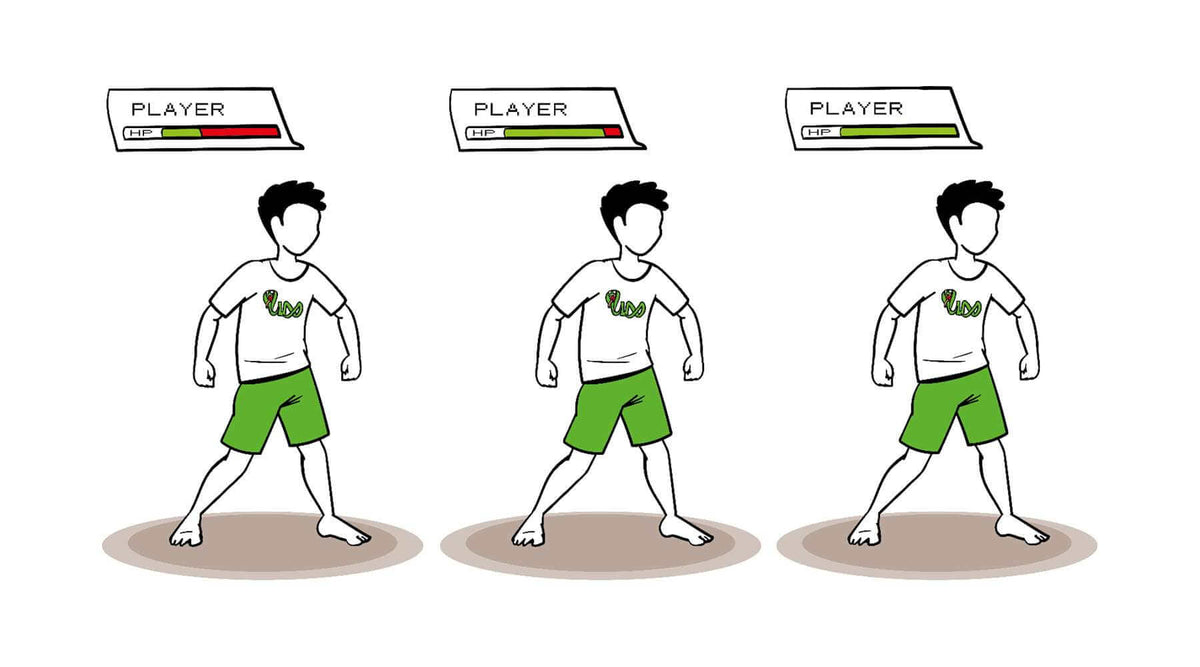
The Role of Nutrition in Soccer Performance
I. Introduction
Yo soccer players! Are you tired of feeling sluggish on the field and constantly needing to chug water?
Then it's time to get serious about your nutrition.
Proper nutrition can impact your energy levels, recovery time, and overall performance on the field. It's important to fuel your body before and during high-intensity games and practices, and don't forget about proper recovery after those intense physical sessions.
In this post, we'll go over the role of macronutrients, the importance of hydration, and strategies for pre-game and recovery nutrition. Time to step up your game.
II. Macronutrients and their role in soccer performance

Carbohydrates, proteins, and fats are known as macronutrients and they play a vital role in soccer performance. Let's break it down:
Carbohydrates: Carbs are like the gasoline for your soccer body. They provide energy for high-intensity exercise, such as running around the field trying to score goals. They're stored in your muscles as glycogen and are converted into glucose during exercise to provide that energy. It's important to consume adequate amounts of carbs, especially on game days. Good sources of carbs include whole grains, fruits, vegetables, and legumes.
Protein: Protein is like the duct tape for your muscles. It helps with muscle repair and recovery, as well as maintaining and building muscle mass. Soccer players need to consume enough protein, especially after intense training or games when those muscles may be feeling a little rough. Good sources of protein include lean meats, dairy products, beans, and nuts.
Fats: Fats have many important roles in the body, including hormone production and brain health. They're also a secondary energy source and can help maintain energy levels during exercise. It's important to consume healthy fats, such as those found in avocados, olive oil, and nuts, rather than unhealthy saturated and trans fats found in fried foods and processed snack foods.
Remember, it's important to have a balanced diet that includes all three macronutrients in the right proportions to support optimal performance and recovery.
III. Hydration and its importance in soccer

Hydration is crucial for soccer performance because proper hydration is necessary for the body to function at its best. Dehydration can lead to a decrease in physical performance, causing fatigue, muscle cramps, and reduced endurance. During a soccer game, players can lose a lot of fluids through sweat, which can impact their performance if not properly replaced. It's important to stay hydrated before, during, and after a game to maintain optimal physical performance.
One strategy for staying hydrated is to drink water consistently throughout the day, rather than waiting until game time to start hydrating. Players should also bring water or a sports drink with electrolytes to games and practice to replace fluids lost through sweat. Pay attention to thirst as a sign of dehydration and drink water or a sports drink before, during, and after a game or practice to maintain proper hydration levels.
IV. Pre-game meals
Pre-game meals are an important aspect of nutrition in soccer performance. It is important to fuel your body with the right nutrients before a game to ensure that you have enough energy to perform at your best.
A balanced pre-game meal should include a combination of carbohydrates, proteins, and fats.
It is also important to allow enough time for your pre-game meal to digest before the start of the game. This will ensure that you have enough energy to perform at your best without feeling sluggish or weighed down. A good rule of thumb is to eat your pre-game meal 2-4 hours before the start of the game.
Examples of good pre-game meals include whole grain pasta with chicken and vegetables, a turkey and avocado wrap, or a bowl of oatmeal with fruit and nuts. It is important to find a pre-game meal that works for you and stick with it, as experimenting with new foods too close to a game can lead to stomach discomfort.
V. In-game fueling
In-game fueling refers to the practice of consuming food or drink during a soccer game in order to maintain energy levels and optimize performance. Proper in-game fueling can help soccer players sustain high-intensity efforts and improve their overall performance.
There are several strategies that soccer players can use to fuel during a game, including:
It's important to note that in-game fueling should be individualized to each player's needs and preferences. Some players may need more frequent fueling, while others may not require as much. It's also important to time in-game fueling appropriately, as consuming food or drink too close to kick-off or immediately before high-intensity efforts may lead to discomfort.
Overall, in-game fueling is an important aspect of soccer performance, and players should carefully consider their fueling strategies in order to optimize their performance and recovery.
VI. Recovery nutrition

Recovery nutrition is an important aspect of a soccer player's overall nutrition plan, as it plays a crucial role in muscle repair and rebuilding after intense training sessions or games. Adequate recovery nutrition is necessary for optimal muscle function and performance, as well as for maintaining overall health and well-being.
There are several key nutrients that are important for recovery, including protein, carbohydrates, and antioxidants. Protein is essential for repairing and rebuilding damaged muscle tissue, and it can be found in a variety of foods such as chicken, fish, meat, dairy products, and plant-based sources like beans and tofu. Carbohydrates are important for replenishing glycogen stores, which are the primary source of energy for high-intensity exercise. Fruits, vegetables, grains, and legumes are all good sources of carbohydrates. Antioxidants, which can be found in fruits and vegetables, help to reduce inflammation and repair damaged cells.
In addition to these key nutrients, it is also important to stay hydrated by drinking plenty of fluids, particularly water and electrolyte-rich sports drinks. Proper hydration is necessary for maintaining proper body function and promoting recovery.
Some examples of good recovery meals include a chicken and vegetable stir-fry with brown rice, a turkey and avocado wrap with whole grain bread, and a smoothie made with protein powder, fruits, and vegetables. It is important to aim for a balance of protein, carbohydrates, and other nutrients in recovery meals in order to support optimal muscle recovery and overall health.
VII. Conclusion
In conclusion, proper nutrition is essential for optimal soccer performance. Macronutrients such as carbohydrates, proteins, and fats all play important roles in providing energy, repairing and building muscle, and maintaining overall health. Hydration is also crucial for maintaining physical performance and recovery, and players should make sure to stay properly hydrated before, during, and after games. Pre-game and recovery meals are important for fueling the body before and after intense physical activity, and young players should be encouraged to make healthy food choices to support their growing bodies.
Overall, a balanced diet and proper fueling can make a significant difference in a soccer player's performance on the field.
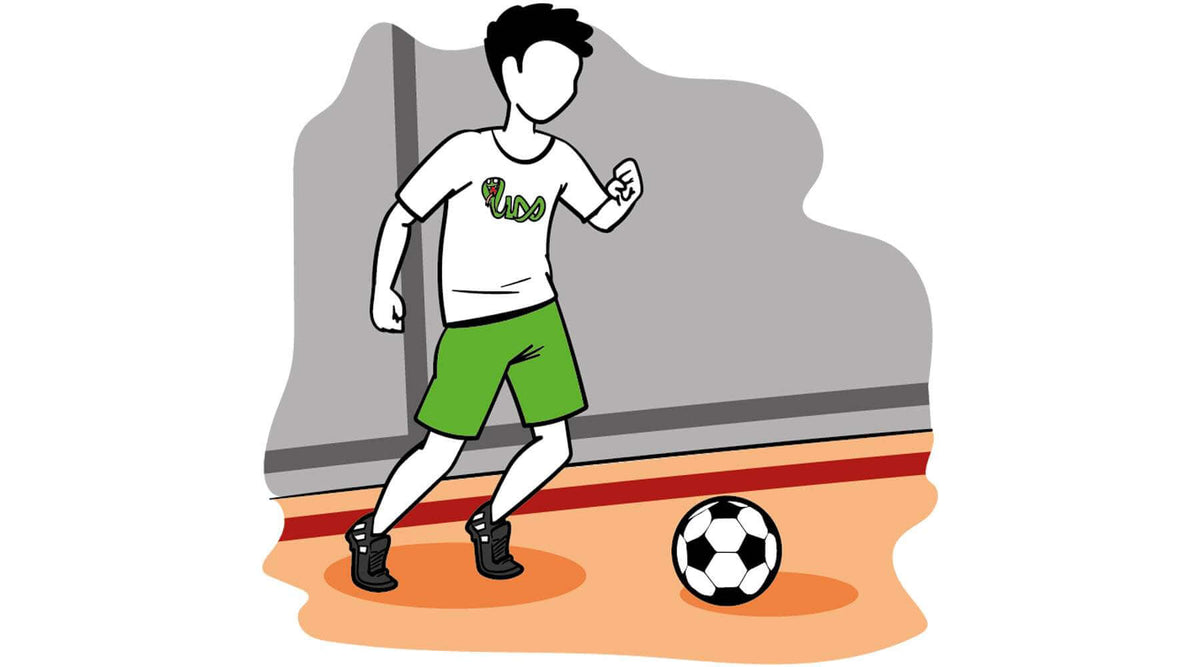
5 Tips for Improving Your Ball Control Skills in Soccer
